
Credit card debt can feel overwhelming. Many people find themselves struggling with high balances, late fees, and rising interest rates. If you’re facing this challenge, you’re not alone. Americans owe more than $1 trillion in credit card debt, according to the Federal Reserve. But there is hope. Credit card debt relief programs can help you regain control, reduce stress, and start fresh. This guide explains the main types of debt relief, how they work, and what to consider before choosing a solution.
What Are Credit Card Debt Relief Programs?
Debt relief programs are services or strategies designed to help people lower, manage, or eliminate their credit card debt. These programs are not quick fixes—they require commitment and careful planning. The main goal is to make your debt more manageable, so you can pay it off faster or with less financial pain.
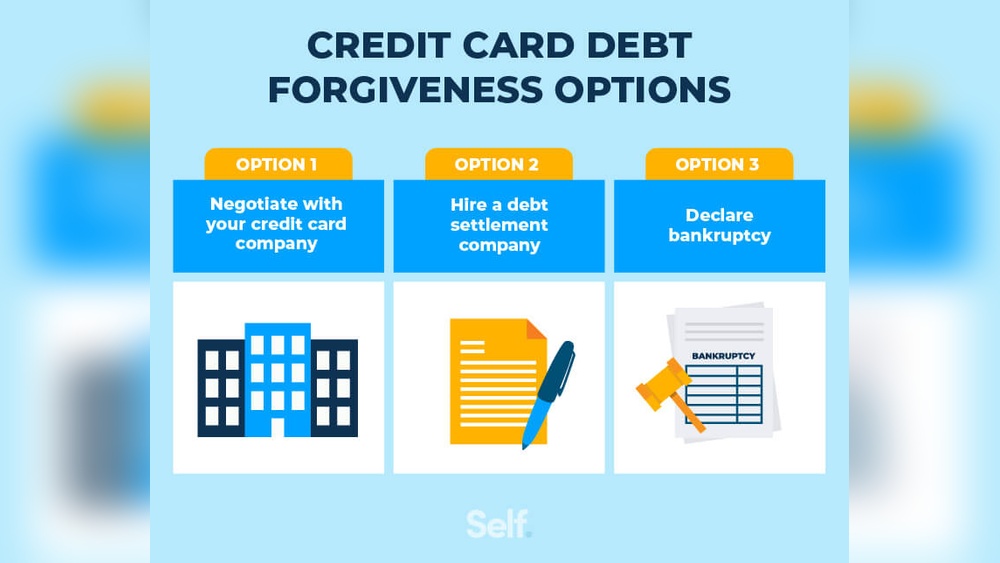
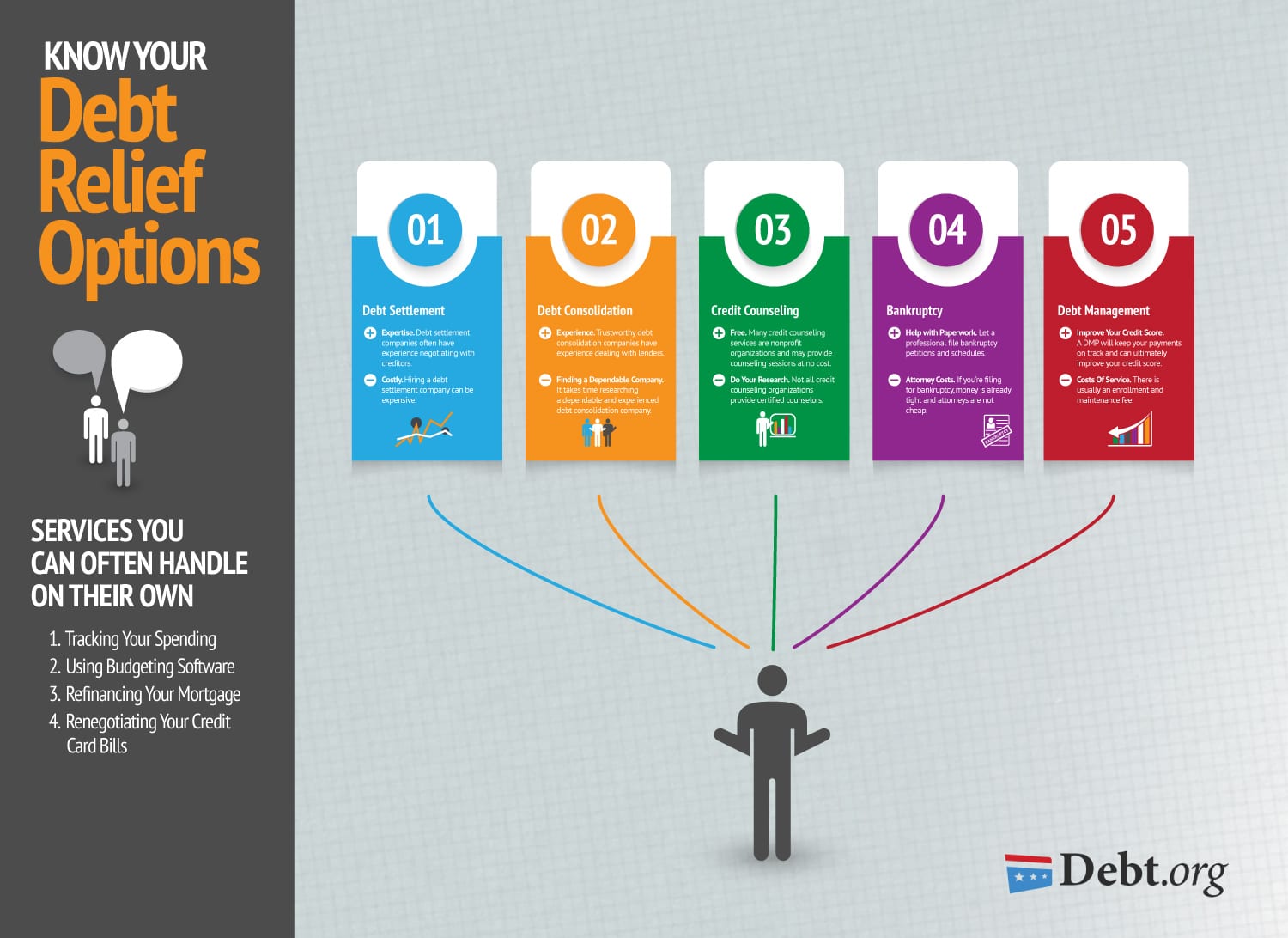
There are several types of debt relief:
- Debt consolidation
- Debt management plans
- Debt settlement
- Bankruptcy
Each program has its own pros, cons, and requirements. Choosing the right one depends on your financial situation, credit score, and goals.
Debt Consolidation
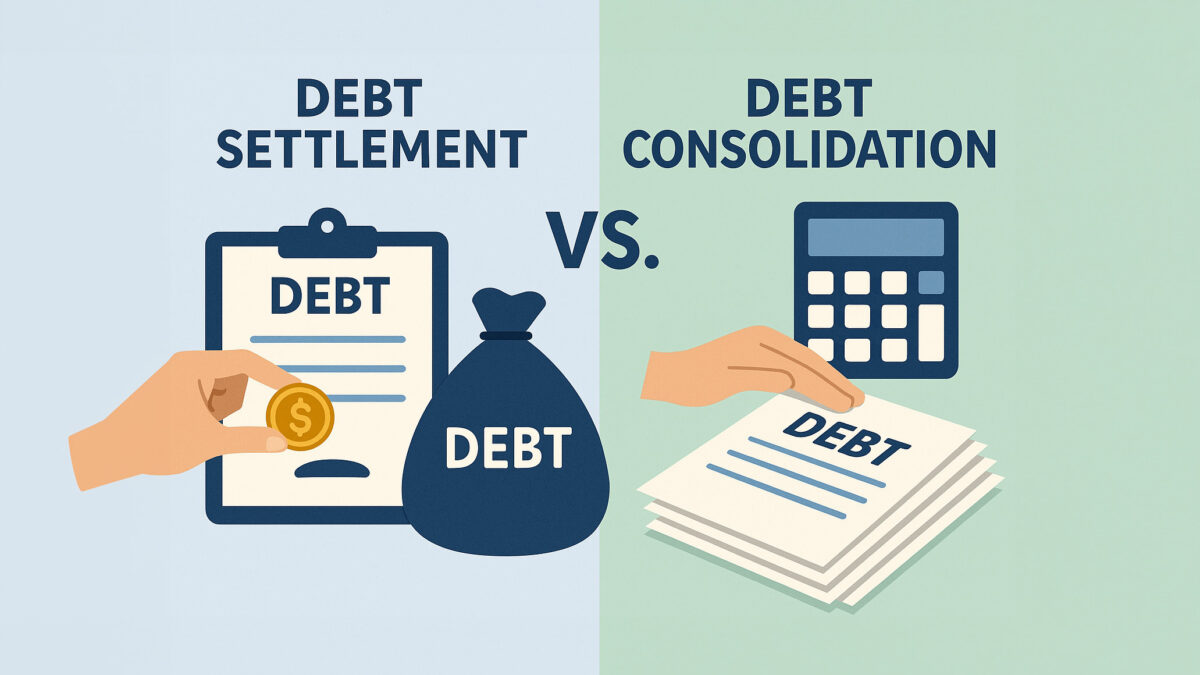
Debt consolidation combines multiple credit card balances into one loan or payment. This approach helps simplify your finances and may reduce your interest rate.
| Method | Typical Rate | Credit Impact | Best For |
|---|---|---|---|
| Personal loan | 6–36% | Moderate | Good credit |
| Balance transfer card | 0–5% (intro) | Low | Excellent credit |
| Home equity loan | 6–10% | High risk | Homeowners |
With debt consolidation, you pay off all your credit cards using a single loan, then make one monthly payment. If you qualify for a low rate, you can save money and pay off debt faster.
Key tip: Always check the total cost, including fees. Some loans charge origination fees or balance transfer fees that can add up.
Debt Management Plans
A debt management plan (DMP) is offered by nonprofit credit counseling agencies. They negotiate with your creditors to lower interest rates and monthly payments.
| Feature | Debt Management Plan | Debt Consolidation Loan |
|---|---|---|
| Monthly payment | Single to agency | Single to lender |
| Interest rate reduction | Yes (often 8–10%) | Depends on loan |
| Impact on credit | May temporarily lower | May improve over time |
| Fees | Setup and monthly | Origination fee |
DMPs usually last 3–5 years. You agree not to open new credit cards while enrolled. This approach works best if you have steady income and want structured help.
Non-obvious insight: Most creditors will close your accounts while you’re in a DMP. This means you cannot use those cards, but you’ll avoid collection calls and can rebuild credit later.
Debt Settlement
Debt settlement is a risky option but can reduce the total debt you owe. You work with a debt settlement company or negotiate directly to pay less than the full balance.
| Factor | Debt Settlement | Debt Management Plan |
|---|---|---|
| Reduction in debt | 20–50% | None |
| Credit impact | Severe negative | Moderate negative |
| Fees | 15–25% of savings | Low |
| Time to complete | 2–4 years | 3–5 years |
Settling debt can damage your credit score and cause tax consequences. The IRS may treat forgiven debt as income. Make sure you understand all risks before choosing this route.
Practical tip: Only consider debt settlement if you truly cannot pay and other options have failed. Negotiate fees and check company reviews—many firms overpromise and underdeliver.
Bankruptcy
Bankruptcy is a legal process for people who are unable to repay their debts. There are two main types:
- Chapter 7 bankruptcy: Eliminates most unsecured debts, including credit cards. You must pass a means test and may lose some assets.
- Chapter 13 bankruptcy: Creates a 3–5 year repayment plan. You keep assets but must pay a portion of your debt.
Bankruptcy will remain on your credit report for up to 10 years. It can be a last resort when all other options fail.
Common mistake: Some people rush into bankruptcy without exploring other solutions. Always talk to a professional before making this decision.
How To Choose The Right Debt Relief Program
Picking the best program depends on your goals, income, and credit score. Ask yourself:
- How much debt do I have?
- Can I afford monthly payments?
- Is my credit score strong enough for a loan?
- Am I willing to commit to a multi-year plan?
Compare your options side-by-side. Don’t forget to read reviews and check for scams. The FTC warns that many debt relief companies make false promises. Stick with trusted nonprofits or banks.
If you need reliable information, visit the Federal Trade Commission for guidance.
Frequently Asked Questions
What Is The Best Credit Card Debt Relief Program?
There’s no single best program. It depends on your debt level, income, and credit score. Debt consolidation works well for people with good credit. Debt management plans are good for steady earners with high debt. Debt settlement is a last resort.
Will Debt Relief Hurt My Credit Score?
Most programs will lower your score at first. Debt settlement and bankruptcy are the most damaging. Over time, making regular payments can help rebuild credit.
How Long Does Debt Relief Take?
It varies. Debt consolidation may take 1–5 years. Debt management plans often last 3–5 years. Debt settlement usually takes 2–4 years. Bankruptcy can resolve debt in months, but affects credit for up to 10 years.
Are Debt Relief Programs Safe?
Many are safe, but some companies are scams. Always check credentials, read reviews, and avoid firms that demand upfront fees. Nonprofit agencies are often more trustworthy.
Can I Do Debt Relief Myself?
Yes, you can try to negotiate lower payments or rates yourself. However, professional help can make the process easier and safer. DIY approaches require patience and strong negotiation skills.
Taking action to fix your credit card debt is a smart move. With the right program, you can lower your stress, protect your credit, and build a better financial future. Always research carefully and choose a plan that fits your needs.
Read More:
- Best Personal Loan Rates: Unlock Top Offers for 2026
- Bad Credit Personal Loans Guaranteed Approval: Easy Access Today
- Compare Mortgage Lenders Online: Find the Best Rates Fast
- Debt Consolidation Loan Online: Simplify Your Finances Fast
- First Time Home Buyer Loan Programs: Your Ultimate Guide 2026
- Home Equity Loan Rates Comparison: Find the Best Deals Today
- Small Business Loan Pre Approval: Fast Track Your Funding Success
- Mortgage Pre Approval Online: Fast-Track Your Home Buying Success