
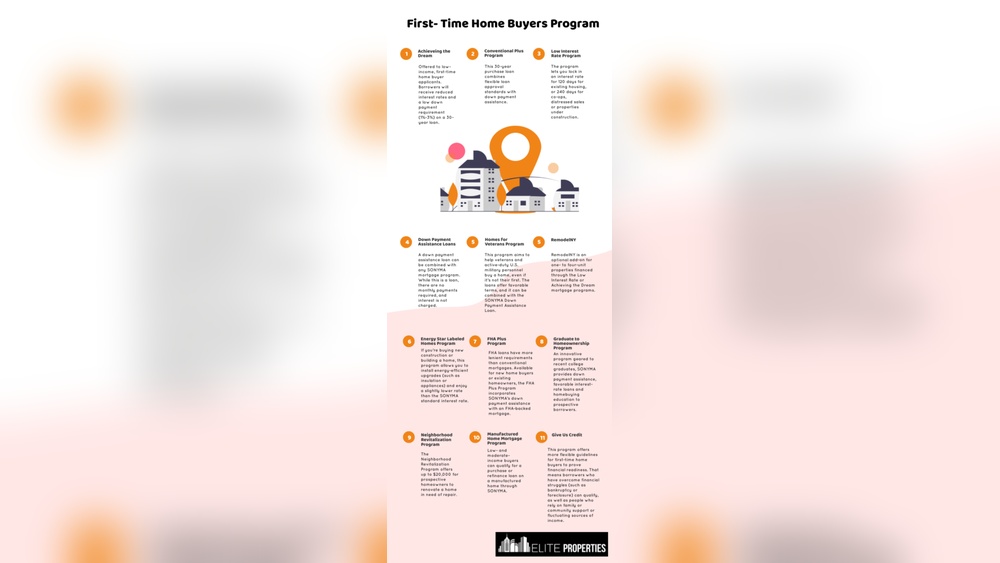
Buying your first home is a huge milestone. It’s exciting, but the process can feel confusing—especially when you start looking at different loan programs. Many first-time buyers worry they won’t qualify or that the down payment is too high. The good news? There are special first time home buyer loan programs designed to make buying a home more affordable and less stressful. This guide will help you understand your options, what to expect, and how to avoid common mistakes as you start your journey to homeownership.
What Is A First Time Home Buyer Loan Program?
A first time home buyer loan program is a mortgage designed to help people who are buying their first home. These programs often have lower down payments, lower interest rates, and easier requirements. Some even offer help with closing costs or down payments.
The main goal is to make buying a home possible for people who might not have a lot of savings or a perfect credit score. These programs are usually offered by the federal government, state and local agencies, or certain private lenders.
Popular Types Of First Time Home Buyer Loan Programs
There are several types of loan programs for first-time buyers. Each has different rules, benefits, and costs. Here are the most common options:
Fha Loans
FHA loans are backed by the Federal Housing Administration. They are very popular with first-time buyers.
- Down payment: As low as 3.5% (if your credit score is 580 or higher)
- Credit requirements: More flexible; some lenders accept scores as low as 500 (with a 10% down payment)
- Mortgage insurance: Required for all FHA loans, which adds to your monthly payment
Example: If you want to buy a $300,000 house, you may only need a $10,500 down payment.
Va Loans
VA loans are for eligible veterans, active-duty service members, and certain members of the National Guard and Reserves.
- Down payment: Often $0
- Credit requirements: Flexible, but most lenders prefer scores above 620
- Mortgage insurance: None, but there is a one-time VA funding fee
Non-obvious insight: Even some surviving spouses of veterans may qualify for VA loans.
Usda Loans
USDA loans help people buy homes in rural and some suburban areas.
- Down payment: $0 required
- Income limits: You must meet certain income limits based on your area
- Location: The home must be in a USDA-eligible zone
Tip: Many buyers are surprised to find that suburban neighborhoods can qualify as “rural” under USDA rules.
Conventional 97 Loans
Conventional 97 loans are backed by Fannie Mae or Freddie Mac. They’re another low down payment option.
- Down payment: Just 3%
- Credit requirements: Typically 620 or higher
- Mortgage insurance: Required if your down payment is less than 20%, but can be cancelled later
State And Local First-time Buyer Programs
Many states, counties, and cities have their own first time home buyer loan programs. These programs might include:
- Grants for down payment or closing costs
- Deferred loans (you pay them back later or when you sell)
- Forgivable loans (the loan is erased if you stay in the home a certain number of years)
Non-obvious insight: Some local programs have less strict income or credit rules than national programs. Always check your city and state housing websites for options.
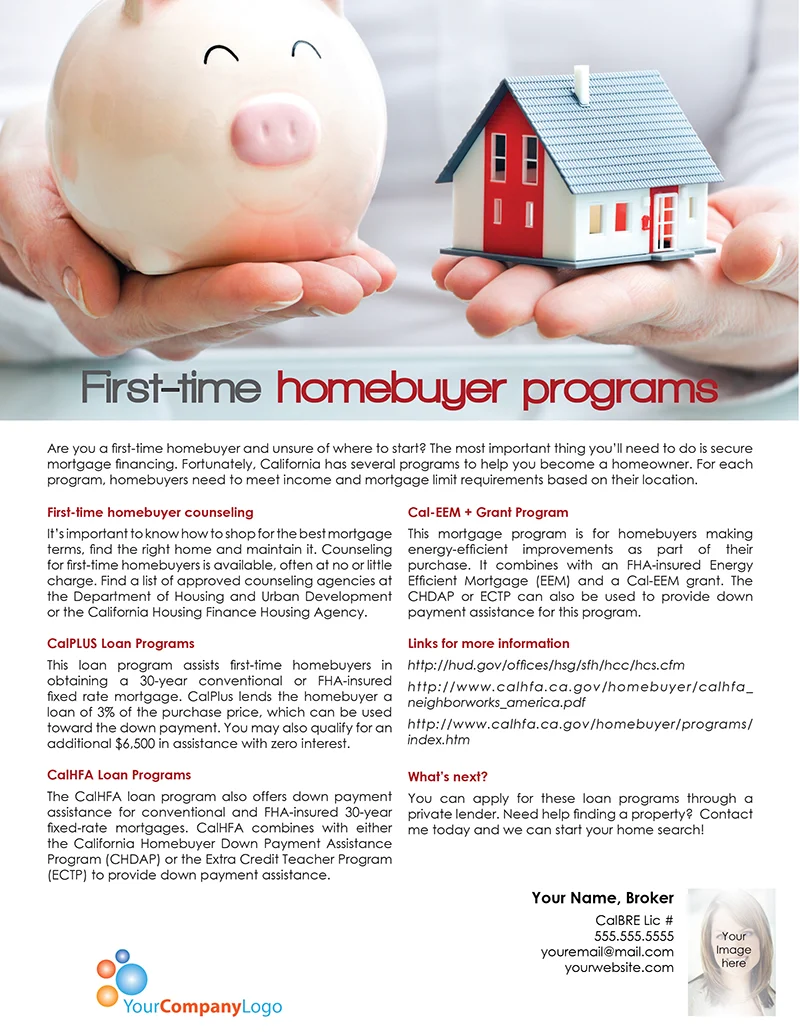
Comparing Key Loan Programs
Choosing the right loan program is important. Here’s a side-by-side look at some of the main differences:
| Program | Minimum Down Payment | Credit Score Needed | Mortgage Insurance | Special Requirements |
|---|---|---|---|---|
| FHA Loan | 3.5% | 500-580+ | Yes | Primary residence only |
| VA Loan | 0% | Typically 620+ | No | Military service required |
| USDA Loan | 0% | 640+ | Yes | Rural area; income limits |
| Conventional 97 | 3% | 620+ | Yes (can remove later) | First-time buyer only |
How To Qualify For A First Time Home Buyer Loan
To get approved for a first time home buyer loan, you usually need to meet a few basic requirements:
- Be a first-time buyer. This often means you haven’t owned a home in the last three years.
- Meet credit score requirements. Each program has its own minimum. Sometimes, a higher score gets you better rates.
- Have a steady income. Lenders want to see you can make your monthly payments.
- Stay within debt-to-income limits. Most lenders look for a debt-to-income ratio below 43-50%.
- Complete a homebuyer education class. Some programs require this; it’s usually a simple online course.
Example: If you earn $60,000 a year and your monthly debts (including the new mortgage) are $2,400, your debt-to-income ratio is 48%. This might be too high for some programs.
Tip: Fixing small credit problems before you apply can help you get better rates and terms.

The Application Process Step By Step
Applying for a first time home buyer loan may seem difficult, but breaking it into steps helps. Here’s what to expect:
- Check your credit report. Look for errors and pay off small debts if possible.
- Get pre-approved. This gives you a price range and shows sellers you’re serious.
- Find a real estate agent who knows first-time buyers. They can guide you to homes that fit your loan program.
- Shop for homes. Stay within your budget.
- Make an offer. Your agent will help with paperwork.
- Complete the loan application. You’ll give your lender documents like pay stubs, bank statements, and tax returns.
- Get a home inspection and appraisal. These are required for most loans.
- Close the loan. Sign the final papers and get your keys!
Non-obvious insight: Lenders often check your credit again just before closing. Avoid big purchases or new debt during this time.
Down Payment And Closing Cost Assistance
Many buyers think they need to save 20% for a down payment. This isn’t true for most first time home buyer loan programs. Some programs also help with closing costs, which can be 2–5% of the home price.
- Grants: Free money you don’t have to pay back.
- Loans: Some are deferred (pay later) or forgivable (never repay if you meet certain rules).
- Employer programs: Some companies help employees with home buying.
Example: A city program might offer a $5,000 grant to first-time buyers who earn less than $80,000 per year.
Tip: Combining a low-down-payment loan with a local grant or assistance program can reduce your out-of-pocket costs even more.
Pros And Cons Of Popular First Time Buyer Programs
Not all loan programs are right for everyone. Here’s a quick look at the benefits and drawbacks:
| Program | Pros | Cons |
|---|---|---|
| FHA | Low credit scores accepted, small down payment | Mortgage insurance required for life of loan |
| VA | No down payment, no mortgage insurance | Must qualify through military service |
| USDA | No down payment, low rates | Location and income limits apply |
| Conventional 97 | Low down payment, can remove mortgage insurance | Higher credit score needed, strict debt limits |
Common Mistakes First-time Home Buyers Make
Even with good loan programs, it’s easy to make mistakes. Here are pitfalls to avoid:
- Not checking all options. Many buyers only ask about one loan type. Compare several—costs and requirements vary.
- Forgetting about extra costs. Besides your down payment, remember taxes, insurance, repairs, and closing costs.
- Making big financial changes before closing. Avoid new credit cards, car loans, or quitting your job.
- Skipping the home inspection. Always get an inspection, even if not required by your loan.
- Ignoring local programs. Many grants and assistance programs go unused because buyers don’t know they exist.
Tip: Ask your lender and real estate agent about every program you might qualify for—even if you think your income or credit is too low.
How To Choose The Best Program For You
The right first time home buyer loan program depends on your situation:
- If you have military service, the VA loan is hard to beat.
- If your credit score is low, FHA might be best.
- If you want to buy in a rural area, USDA could save you money.
- If you have some savings and good credit, a Conventional 97 may cost less over time.
Think about:
- How much you can afford for a down payment
- Your credit score
- Where you want to live
- Your income
Non-obvious insight: Some programs can be combined. For example, you might use an FHA loan and get a state grant for your down payment.
Useful Resources For First Time Buyers
Learning more can help you avoid problems and get the best deal. Here’s a helpful official site for more details: U.S. Department of Housing and Urban Development.
Frequently Asked Questions
What Credit Score Do I Need For A First Time Home Buyer Loan?
Most programs need a credit score of 580–640 or higher. FHA allows scores as low as 500 with a bigger down payment. Some state programs accept even lower scores, but you may pay more in interest.
Can I Buy A House With No Money Down?
Yes. VA and USDA loans both offer $0 down payment options. Some state and local programs also provide down payment grants that cover your entire down payment.
Do I Have To Pay Mortgage Insurance?
Most low down payment loans require mortgage insurance. FHA loans require it for the life of the loan. Conventional loans let you cancel insurance once you have 20% equity. VA loans do not require mortgage insurance.
Are There Programs For People With Bad Credit?
Yes, but options are limited. FHA loans are the most flexible. Some state or local programs also help buyers with low credit. Raising your score before applying can save you thousands over time.
What Documents Do I Need To Apply For A First Time Home Buyer Loan?
You’ll need proof of income (like pay stubs and tax returns), bank statements, ID, and details about your debts. Some programs may ask for proof of first-time buyer status or a homebuyer education certificate.
Buying your first home doesn’t have to be overwhelming. With the right first time home buyer loan program, you can get into a home with less money and stress. Take time to learn about your options, ask questions, and reach out to local agencies. The right loan can make your dream of homeownership a reality—so start your journey today, well-informed and confident.
Read More:
- Best Personal Loan Rates: Unlock Top Offers for 2026
- Bad Credit Personal Loans Guaranteed Approval: Easy Access Today
- Compare Mortgage Lenders Online: Find the Best Rates Fast
- Debt Consolidation Loan Online: Simplify Your Finances Fast
- Home Equity Loan Rates Comparison: Find the Best Deals Today
- Small Business Loan Pre Approval: Fast Track Your Funding Success
- Mortgage Pre Approval Online: Fast-Track Your Home Buying Success
- Best Mortgage Refinance Rates: Unlock Lower Payments Today