
Finding the right balance transfer credit card can help you save money and pay off debt faster. Many people carry balances on high-interest cards, making monthly payments harder. The best balance transfer credit cards offer low or 0% introductory interest rates, reasonable fees, and flexible terms.
If you want to clear your debt without extra costs, knowing which cards stand out is important. This guide compares the top options, shows what to look for, and highlights mistakes to avoid.
What Makes A Balance Transfer Credit Card “best”?
Choosing a card is more than just finding the longest 0% intro offer. You should check:
- Intro APR period: How long you pay little or no interest
- Balance transfer fee: Usually 3%–5% of the amount moved
- Regular APR: The rate after the intro period ends
- Credit limit: How much debt you can transfer
- Additional benefits: Rewards, perks, or extra services
Some cards might look good at first, but fees or strict rules can make them less helpful. Always check the full terms before deciding.
Top 5 Balance Transfer Credit Cards In 2024
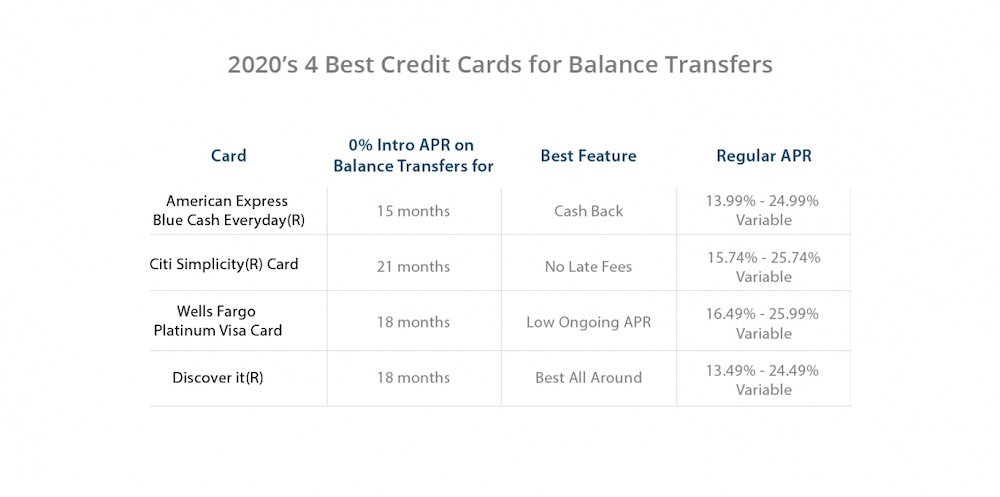
Many cards compete for your attention, but only a few offer real value. Here are the best balance transfer credit cards for most people:
| Card Name | Intro APR | Intro Period | Transfer Fee | Regular APR |
|---|---|---|---|---|
| Chase Slate Edge | 0% | 18 months | 3% | 18.24%–26.99% |
| Wells Fargo Reflect | 0% | 21 months | 3% | 18.24%–29.24% |
| Citi Simplicity | 0% | 21 months | 5% | 19.24%–29.99% |
| Discover it Balance Transfer | 0% | 18 months | 3% | 17.24%–28.24% |
| BankAmericard | 0% | 21 months | 3% | 18.24%–28.24% |
Chase Slate Edge
This card stands out for its low transfer fee and long intro period. It’s good if you want to avoid paying too much upfront. The regular APR is competitive, but there are no rewards.
Wells Fargo Reflect
With up to 21 months of 0% APR, you have more time to pay off your debt. The card extends its intro period if you pay on time, making it flexible. The transfer fee is low, but the regular APR can rise quickly.
Citi Simplicity
Citi Simplicity offers a long intro period, but the transfer fee is higher. It’s best if you plan to pay off your balance before the intro rate ends. No late fees make it less stressful.
Discover It Balance Transfer
This card gives you cash back on new purchases, which is rare for balance transfer cards. The intro period is shorter, but you can earn rewards while paying down debt.
Bankamericard
BankAmericard is simple and reliable. You get a long 0% intro period and a low transfer fee. There are no rewards, but fewer complications.
How To Choose The Right Balance Transfer Card
Not every card fits every person. Here’s what you should consider:
- Debt amount: If your balance is large, look for a card with a high credit limit.
- Repayment plan: Choose a card with an intro period longer than your repayment timeline.
- Fees: Calculate the transfer fee cost. For example, moving $5,000 at 3% costs $150.
- Credit score: Most top cards require good to excellent credit (670+).
- Extra perks: If you want rewards, check if the card offers them without raising your costs.
Many people focus only on the longest intro period, but ignoring transfer fees can cost you more. Always compare the total savings, not just the headline rates.
| Feature | Why It Matters | What to Check |
|---|---|---|
| Intro APR | Helps you save on interest | Period length, APR rate |
| Transfer Fee | Reduces savings if high | Fee percentage, minimum fee |
| Credit Limit | Lets you move more debt | Max limit, approval odds |
| Regular APR | Cost if you don’t pay off in time | After intro ends |
| Rewards/Perks | Extra value if used wisely | Cash back, points, services |
Common Mistakes When Using Balance Transfer Cards
Many people miss these points:
- Transferring more debt than you can pay off within the intro period. Once the regular APR kicks in, costs jump.
- Ignoring the transfer fee. Sometimes, it erases your interest savings.
- Making new purchases on the card. These often don’t get the intro rate, so interest starts right away.
- Missing a payment. You could lose your 0% rate early, and your credit score may drop.
- Not checking your old card’s payoff timeline. If you pay late, extra fees may apply.
A smart move is to make a monthly repayment plan and stick to it. Remember, the goal is to clear debt, not just shift it.

Real-world Example: How Much Can You Save?
Let’s say you have $5,000 on a card with a 20% APR. You transfer this to a card with 0% for 18 months and a 3% fee.
- Transfer fee: $150
- Monthly payment: $278 (to clear in 18 months)
- Interest saved: Over $800 compared to staying with the old card
If you miss payments or don’t finish in time, you pay the regular APR on what’s left. Planning ahead makes a big difference.
Extra Insights Beginners Often Miss
- Balance transfer limits: Some cards set a lower transfer limit than your total credit line. Always check before applying.
- Multiple transfers: You can use more than one card if your debt is high, but managing payments gets harder.
- Intro APR applies only to transfers: Purchases often have a different rate. Keep your spending separate to avoid confusion.
For more details, visit the official Consumer Financial Protection Bureau.

Frequently Asked Questions
What Is A Balance Transfer Credit Card?
A balance transfer credit card lets you move debt from one card to another, usually with a low or 0% intro interest rate. This helps you pay off debt faster and saves money on interest.
How Does The Balance Transfer Process Work?
You apply for a new card, request a transfer, and the new bank pays your old card. Your debt now sits on the new card, often at a lower rate. You pay the transfer fee and must make payments as usual.
Will A Balance Transfer Affect My Credit Score?
Your score may dip slightly due to the new inquiry and account. If you pay on time and reduce your debt, your score can improve over time.
What Happens If I Don’t Pay Off My Balance Before The Intro Period Ends?
Any balance left after the intro period gets the regular APR, which is much higher. Your savings may disappear if you don’t clear the debt in time.
Can I Transfer A Balance Between Cards From The Same Bank?
Most banks don’t allow transfers between their own cards. Always check this rule before applying.
Choosing the best balance transfer credit card can make debt easier to manage and help you save hundreds in interest. By checking all the details, planning your payments, and avoiding common mistakes, you can get the most out of your card and reach financial freedom faster.
Read More:
- Best Personal Loan Rates: Unlock Top Offers for 2026
- Bad Credit Personal Loans Guaranteed Approval: Easy Access Today
- Compare Mortgage Lenders Online: Find the Best Rates Fast
- Debt Consolidation Loan Online: Simplify Your Finances Fast
- First Time Home Buyer Loan Programs: Your Ultimate Guide 2026
- Home Equity Loan Rates Comparison: Find the Best Deals Today
- Small Business Loan Pre Approval: Fast Track Your Funding Success
- Mortgage Pre Approval Online: Fast-Track Your Home Buying Success