
Every business, from a new startup to a growing company, faces cash flow gaps. When clients take 30, 60, or even 90 days to pay invoices, it can be hard to pay staff, buy inventory, or grab new opportunities. This is where invoice financing companies step in. They offer a way to turn unpaid invoices into cash quickly, so businesses don’t get stuck waiting. In today’s fast-paced market, knowing how these companies work and what to look for can give your business a real advantage.
What Is Invoice Financing?
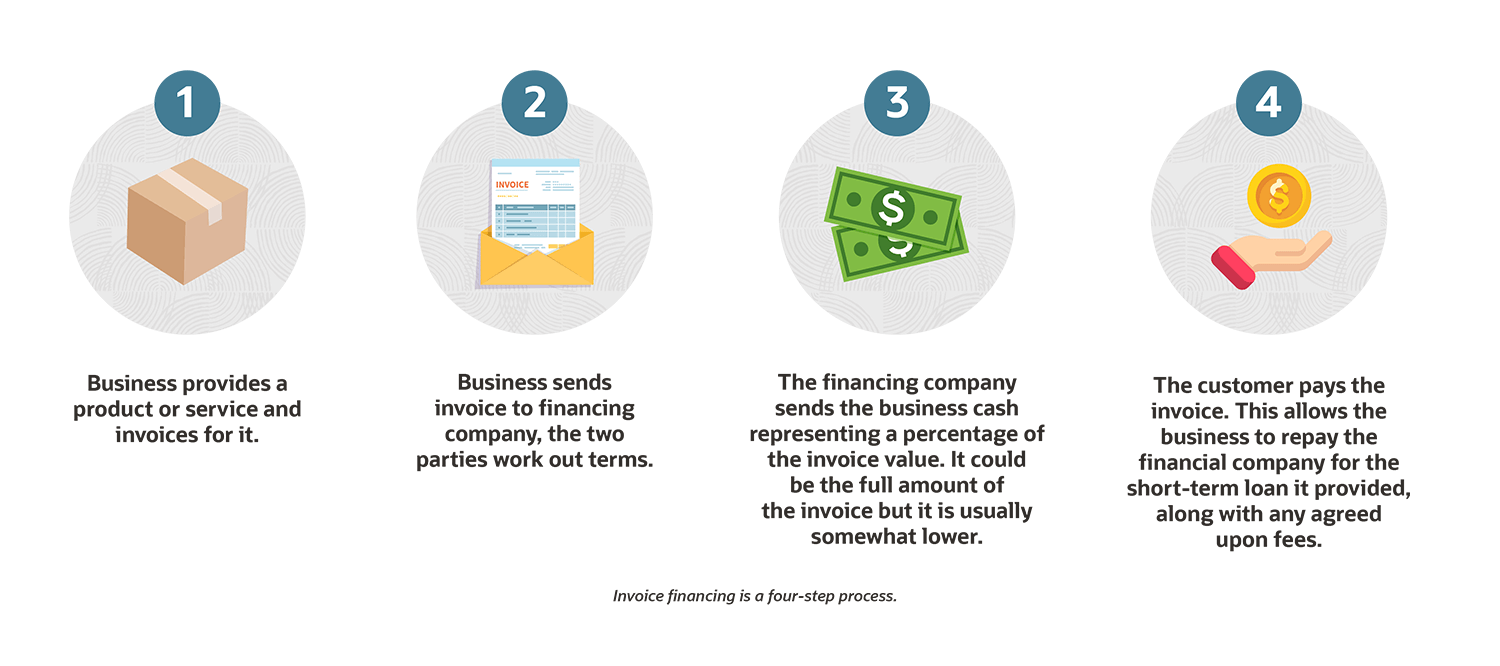
Invoice financing is a type of funding where a business uses its unpaid customer invoices to get cash upfront. Instead of waiting for clients to pay, you get most of the invoice value right away. The financing company collects payment from your customers later and gives you the rest, minus their fee. This is not a loan, so you don’t add debt to your balance sheet. Instead, you unlock money you’ve already earned.
There are two main types:
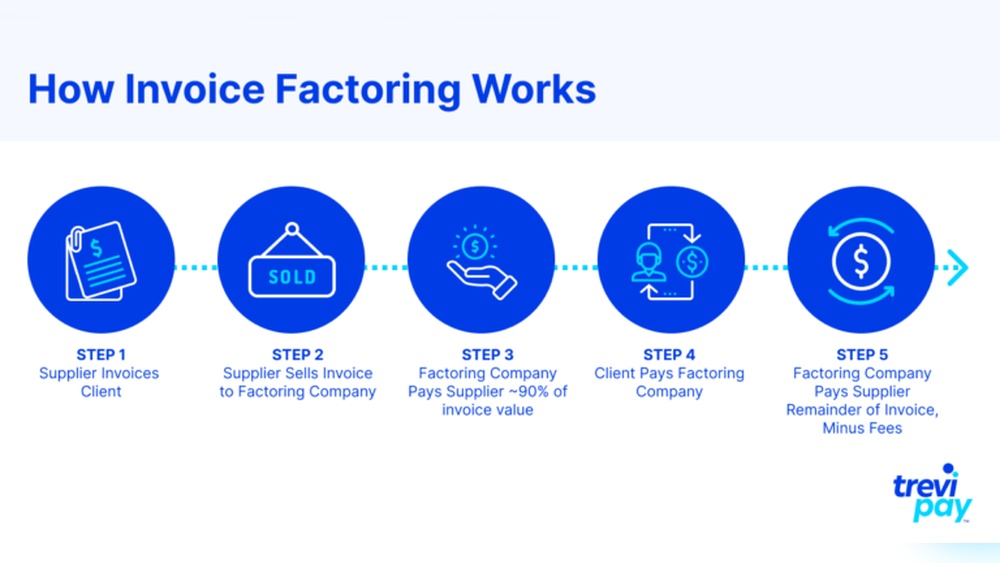
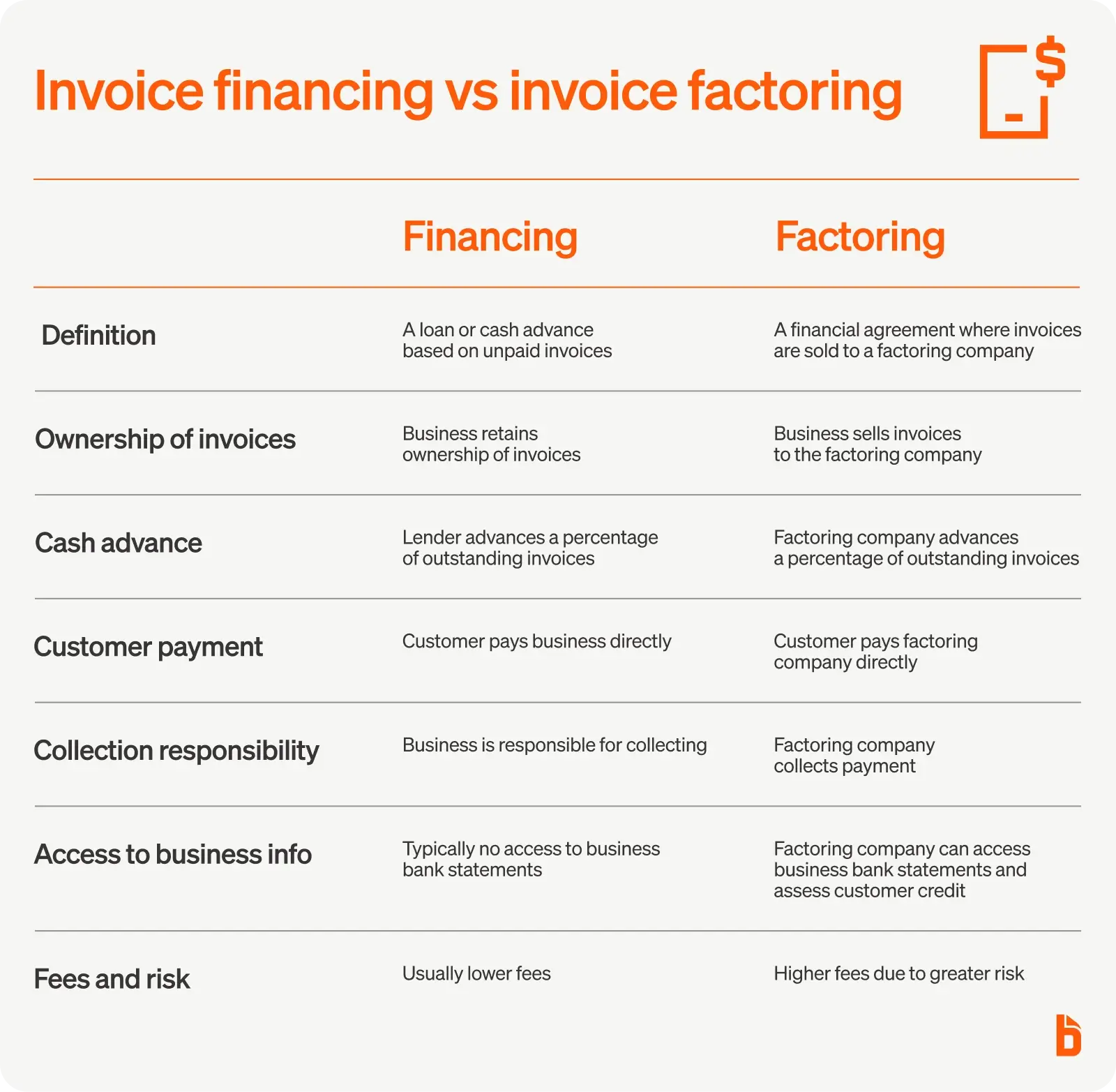
- Invoice Factoring: You sell your invoices to the financing company. They take over collection and pay you a large part (usually 80–90%) of the invoice value at once.
- Invoice Discounting: You keep control of collections, but the company gives you a loan based on your unpaid invoices.
How Invoice Financing Companies Work
These companies act as partners to help you manage cash flow. The process is usually simple:
- Submit your unpaid invoices.
- The company checks your customer’s credit, not just your business.
- You get a large portion of the invoice value within 24–48 hours.
- When your customer pays, you receive the rest minus the fee.
This model is popular for B2B companies, wholesalers, manufacturers, and service providers.
Here’s a quick comparison of factoring and discounting:
| Type | Who Collects Payment | Visibility to Client | Advance Rate |
|---|---|---|---|
| Factoring | Financing Company | Client knows | 80–90% |
| Discounting | Business Owner | Usually private | 80–90% |

Key Features To Compare
Not all invoice financing companies are the same. Before picking one, pay attention to:
- Advance Rate: Most offer 80–90% upfront. Some may offer more for strong invoices.
- Fees: Fees range from 1–5% of the invoice value per month. Always check for extra costs like setup, service, or early payment fees.
- Funding Speed: Top companies approve and pay within 1–2 days. Some take longer, especially for new clients.
- Customer Service: Look for companies with clear communication and easy-to-use portals.
- Minimum/Maximum Funding: Some set limits on how much you can finance at once.
- Client Creditworthiness: Approval often depends on your customer’s ability to pay, not just your business’s credit.
See how three popular companies compare:
| Company | Advance Rate | Typical Fee | Funding Speed |
|---|---|---|---|
| BlueVine | 85–90% | 0.25–1.7%/week | 24–48 hours |
| Fundbox | 100% | 4.66%/12 weeks | Next business day |
| altLINE | 80–90% | 0.5–3%/month | 1–3 days |
Benefits Of Using Invoice Financing Companies
Quick access to cash is the main advantage. You can pay suppliers, cover payroll, or invest in growth without waiting for slow payments. Other benefits include:
- No long-term debt: You’re not taking a loan, so there’s no monthly repayment schedule.
- Flexible funding: Finance only the invoices you want, when you need to.
- Easier approval: Companies focus on your customer’s payment history, not just your credit score.
- Growth support: More cash flow means you can take on bigger contracts.
A less-known benefit: improving supplier relationships. By paying suppliers on time, you might even negotiate better prices or terms.
Risks And Common Mistakes
Invoice financing is helpful, but it’s not risk-free. Here are some things to watch out for:
- High fees: Small fees add up, especially if customers pay late. Always calculate the real cost.
- Customer relationships: If your customer is contacted for payment by the financing company, it may affect your relationship. Choose a company with a gentle collection process.
- Over-reliance: Some businesses use invoice financing all the time. This can hide deeper cash flow or sales problems.
- Hidden costs: Setup, maintenance, or early payment fees can surprise you.
A common mistake is not checking the fine print. Some contracts have clauses that lock you in for months or require you to finance all invoices, not just some.
How To Choose The Right Invoice Financing Company
Finding the best fit depends on your business’s size, industry, and cash flow needs. Here’s what matters most:
- Transparent pricing: Make sure all fees and terms are clear.
- Industry experience: Some companies specialize in certain fields, like trucking or staffing.
- Speed and ease: Online portals and quick approval can save you time.
- Flexibility: Can you pick which invoices to finance? Are there contract minimums?
- Reputation: Check reviews, ask for references, and look for companies with a solid track record.
Don’t just pick the cheapest option. The best partner supports your growth, understands your clients, and communicates clearly.
Example: How Invoice Financing Helped A Small Business
A mid-sized manufacturing company had $200,000 tied up in unpaid invoices. Payroll was coming up, and a big client’s payment was delayed. By using invoice factoring, they received $170,000 in two days. This let them pay workers on time and take a new order.
Even after paying the financing fee, the quick cash flow helped them avoid late fees and keep their reputation strong.
When Is Invoice Financing A Good Fit?
Invoice financing works best for:
- Businesses with B2B sales on net terms (30–90 days)
- Companies with solid clients but slow payments
- Growing firms that need working capital fast
It is less useful for B2C companies or those with few invoices.
Industry Trends And Data
The US invoice financing market is worth over $100 billion, with more companies using it each year. Digital platforms make the process faster and more transparent. For example, in 2023, over 30% of small businesses reported using some form of invoice financing to manage cash flow.
For more on industry trends, check this Wikipedia page on invoice financing.
Frequently Asked Questions
What Is The Difference Between Invoice Financing And A Loan?
Invoice financing uses your unpaid invoices as collateral for cash advances. A loan is borrowed money with a fixed repayment schedule, often based on your credit score.
Will My Customers Know I Am Using Invoice Financing?
With factoring, your customers may be contacted by the financing company. With discounting, it is usually private, and you continue to collect payment.
How Much Does Invoice Financing Cost?
Fees range from 1–5% per month of the invoice value. The actual cost depends on your agreement and how quickly your customers pay.
Is Invoice Financing Safe For Small Businesses?
Yes, but you must read the contract. Make sure you understand all fees, collection practices, and if there are any long-term commitments.
Can I Use Invoice Financing If My Business Has Bad Credit?
Usually yes. Approval is often based more on your customer’s creditworthiness than your own. This makes it a good option for businesses with less-than-perfect credit.
Invoice financing companies can be a smart tool for managing cash flow, growing your business, and handling unexpected delays. By understanding how these companies work and what to look for, you can pick the right partner and keep your business moving forward.
Read More:
- Best Personal Loan Rates: Unlock Top Offers for 2026
- Bad Credit Personal Loans Guaranteed Approval: Easy Access Today
- Compare Mortgage Lenders Online: Find the Best Rates Fast
- Debt Consolidation Loan Online: Simplify Your Finances Fast
- First Time Home Buyer Loan Programs: Your Ultimate Guide 2026
- Home Equity Loan Rates Comparison: Find the Best Deals Today
- Small Business Loan Pre Approval: Fast Track Your Funding Success
- Mortgage Pre Approval Online: Fast-Track Your Home Buying Success