
Buying a home is a big milestone, but refinancing your mortgage can make the difference between struggling with payments and achieving financial freedom. Many homeowners look for the best mortgage refinance rates to lower their monthly bills, reduce interest costs, or even access extra cash. But getting a good rate is not just about comparing numbers. It’s about understanding how refinance works, knowing what affects rates, and avoiding common mistakes. Whether you want to save money or make your finances easier, this guide will help you find the best deals and make smart decisions.
What Is Mortgage Refinancing?
Mortgage refinancing means replacing your current home loan with a new one, usually to get better terms. Most people refinance to secure a lower interest rate, shorten the loan period, or switch from an adjustable to a fixed-rate loan. Sometimes, homeowners use refinancing to tap into their home’s equity and get cash for big expenses.
When you refinance, your new lender pays off your old mortgage. You then make payments to the new lender, based on the new terms. The main goal is often to save money, but it can also make your loan easier to manage or help you handle other needs.
Why Refinance? Key Benefits
Many homeowners refinance because of the following advantages:
- Lower monthly payments: If you get a lower interest rate, your monthly bills drop.
- Reduce total interest: A shorter loan term, like 15 years instead of 30, means you pay less in interest.
- Switch loan types: Moving from a variable-rate loan to a fixed-rate loan can protect you from future rate hikes.
- Access cash: With a cash-out refinance, you borrow more than you owe and get the extra money for renovations, debts, or emergencies.
- Remove mortgage insurance: If your home has gained value, refinancing can help you remove PMI (Private Mortgage Insurance) and save even more.
How Mortgage Refinance Rates Are Determined
Refinance rates are not random—they depend on several factors:
- Credit score: Higher scores mean lower rates. For example, a score above 760 can save you thousands over the life of your loan.
- Home equity: More equity (the amount your home is worth minus what you owe) makes lenders feel safer, so you get better rates.
- Debt-to-income ratio: If your debts are low compared to your income, you look less risky.
- Loan type: Fixed-rate loans often have higher rates than adjustable-rate loans, but they’re safer.
- Market conditions: When the economy is strong, rates go up. When it’s weak, rates drop.
Here’s a quick look at how rates vary based on credit score:
| Credit Score | Average Refinance Rate |
|---|---|
| 760+ | 5.90% |
| 700–759 | 6.25% |
| 660–699 | 6.70% |
| 620–659 | 7.20% |
Current Mortgage Refinance Rates: 2024 Update
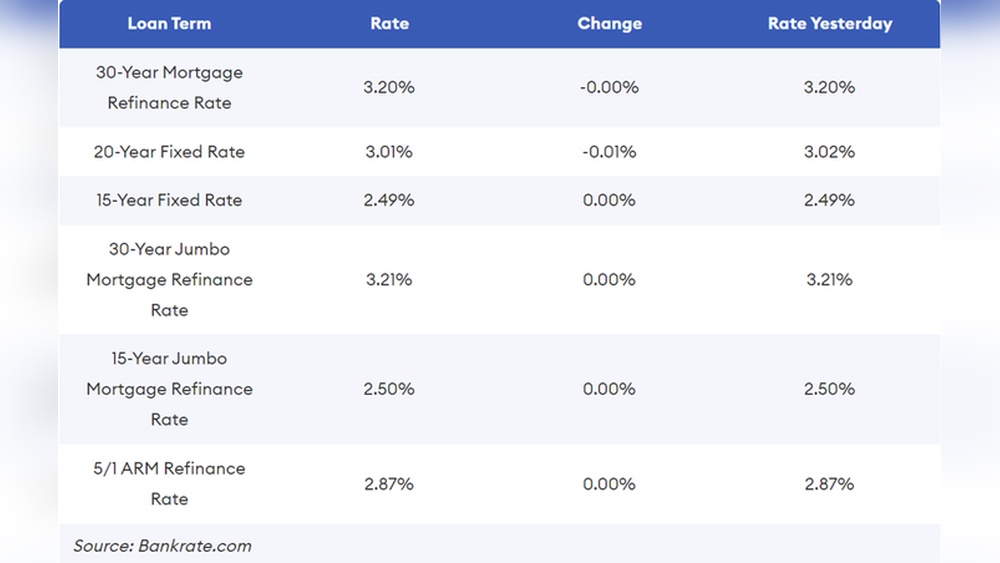
As of mid-2024, refinance rates are changing due to inflation, the Federal Reserve, and global economic shifts. Here are the typical rates for popular loan types:
| Loan Type | Average Rate | Typical Term |
|---|---|---|
| 30-Year Fixed | 6.00% – 6.75% | 30 years |
| 15-Year Fixed | 5.45% – 6.10% | 15 years |
| 5/1 ARM | 5.25% – 6.00% | 5 years fixed, then adjustable |
Rates change daily. Always check with lenders for the latest numbers before applying.

How To Find The Best Mortgage Refinance Rates
Finding the best rate is not as simple as picking the lowest number. The process involves research, comparing options, and understanding hidden costs. Here’s how to get started:
1. Check Your Credit Score
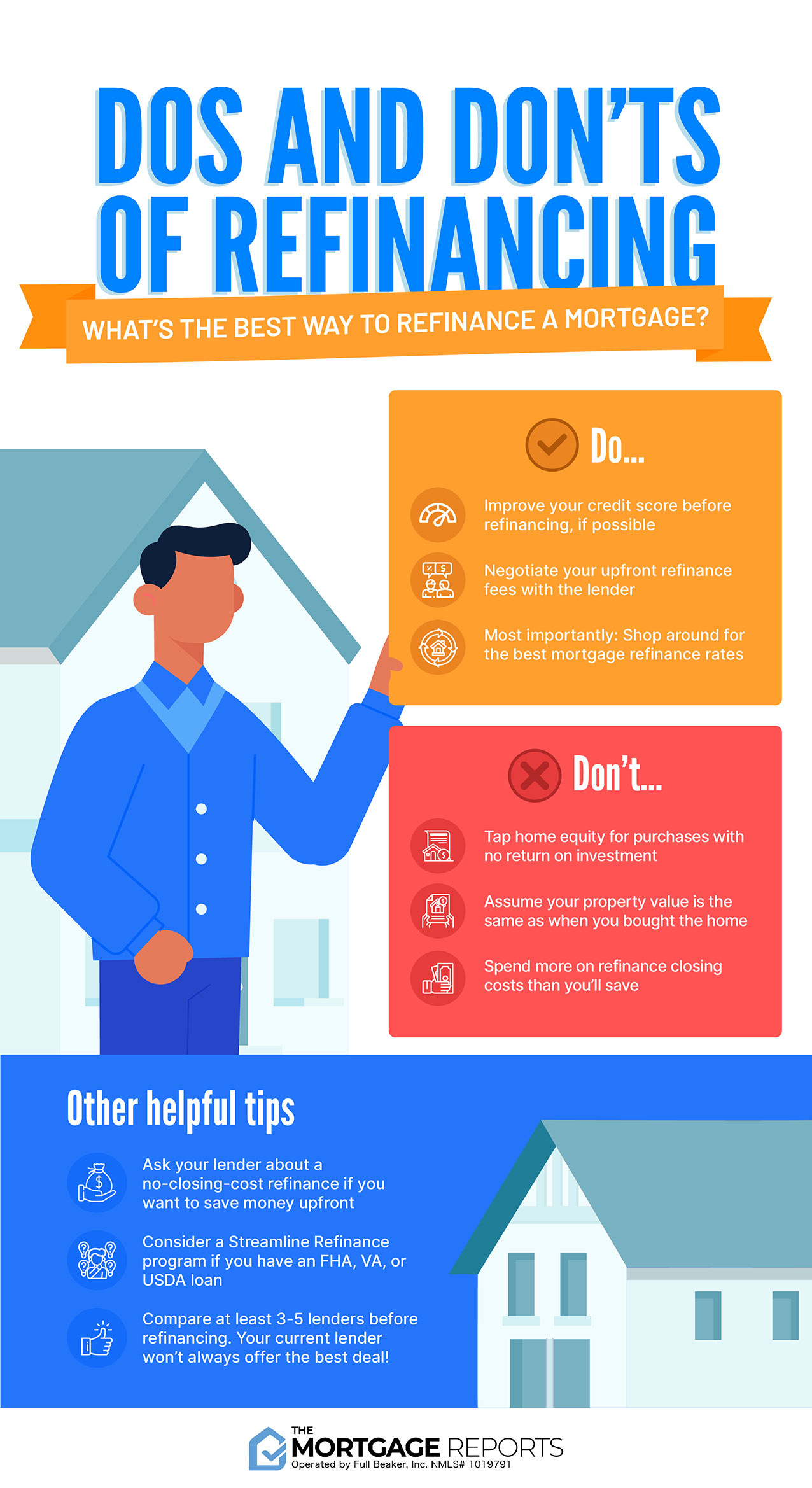
Before applying, review your credit report. If there are mistakes, fix them. If your score is low, pay down debts and avoid new loans for a few months. Even a small increase in your score can lower your rate.
2. Compare Multiple Lenders
Don’t settle for your current bank. Get quotes from at least 3–5 lenders, including online banks, credit unions, and mortgage specialists. Some lenders offer special deals for certain professions or regions.
3. Understand Fees And Closing Costs
Refinancing is not free. You’ll pay fees for appraisal, title, origination, and more. Typical closing costs are 2%–5% of the loan amount. Ask each lender for a breakdown, and compare the total cost—not just the rate.
4. Use Rate Comparison Tools
Many websites let you compare rates quickly. For example, Bankrate is a trusted site for real-time refinance offers.
5. Lock Your Rate
When you find a good deal, ask the lender to lock your rate. This guarantees your rate for 30–60 days, even if rates rise during the process.
6. Decide On The Right Loan Type
Choose between fixed and adjustable rates, and pick a term that fits your goals. Shorter terms mean higher payments but lower total interest. Adjustable rates can be risky if you plan to stay in your home for a long time.
Comparing Lenders: What To Look For
Different lenders offer different terms, rates, and service quality. Here’s a comparison of three common lender types:
| Lender Type | Pros | Cons |
|---|---|---|
| Banks | Trusted, easy access, bundled services | Often higher rates, strict requirements |
| Online Lenders | Lower rates, fast process, easy comparison | Less personal service, may lack local knowledge |
| Credit Unions | Low fees, community focus, flexible terms | Membership required, limited options |
Check reviews and ask questions about customer service, speed, and flexibility.
Common Mistakes When Refinancing
Even experienced homeowners make mistakes. Here are key errors to avoid:
- Ignoring closing costs: A low rate is useless if fees are too high.
- Not shopping around: Accepting the first offer can cost you thousands.
- Choosing the wrong loan term: Short terms save money but can strain your budget.
- Not locking the rate: If rates rise before closing, you lose your deal.
- Forgetting about break-even point: Calculate how long it takes for savings to cover the costs.
Many people focus only on the rate and forget about fees. For example, if you save $100 a month but pay $5,000 in costs, it takes over four years to break even. Make sure you plan to stay in your home long enough to benefit.
Practical Examples: How Much Can You Save?
Let’s look at a real-world example. Suppose you have a 30-year fixed mortgage, $250,000 at 7% interest. If you refinance to 6%:
- Old monthly payment: $1,663
- New monthly payment: $1,498
- Monthly savings: $165
- Total savings over 10 years: $19,800
If your closing costs are $4,000, you break even in about two years. If you plan to move soon, refinancing may not be worth it.
Another insight: If you refinance to a 15-year loan, your payment will rise, but you pay much less in total interest. Always weigh savings against your budget.
Insider Tips For Getting The Best Rates
Here are some less-known strategies that can help:
- Shop at the right time: Rates often drop in winter and early spring, when demand is lower.
- Ask for lender credits: Some lenders offer credits to cover closing costs if you accept a slightly higher rate.
- Consider points: Paying “points” (extra upfront fees) can lower your rate. This works best if you plan to keep the loan for many years.
- Check local programs: Some states offer special refinance deals for teachers, veterans, or first-time buyers.
- Negotiate fees: Don’t be shy—ask lenders to reduce or waive certain charges.
Most people don’t realize how much negotiation is possible. Even a small fee reduction can make a big difference.
When Should You Refinance?
Timing matters. You should consider refinancing if:
- Rates are at least 0.75% lower than your current loan.
- Your credit score has improved since you got your mortgage.
- You plan to stay in your home for several years.
- You want to switch from an adjustable-rate to a fixed-rate loan.
If you only plan to stay for a year or two, refinancing may not pay off. Calculate your break-even point, and make sure the savings fit your plans.
Frequently Asked Questions
What Is The Break-even Point In Mortgage Refinancing?
The break-even point is the time it takes for your monthly savings from a lower rate to cover the closing costs of refinancing. For example, if you pay $3,000 in fees and save $100 per month, it takes 30 months to break even.
Can I Refinance With Bad Credit?
Yes, but you’ll pay higher rates. Some lenders offer FHA streamline refinances for homeowners with lower credit scores. Improving your score before applying can help you get better deals.
How Much Does It Cost To Refinance A Mortgage?
Typical costs are 2%–5% of the loan amount. This includes appraisal, title, origination, and other fees. Always ask for a detailed breakdown, and check if your lender offers credits or discounts.
Should I Pay Points To Lower My Refinance Rate?
Paying points means giving extra money upfront to reduce your rate. This makes sense if you plan to keep your mortgage for many years. If you’ll move soon, it’s usually not worth it.
Will Refinancing Affect My Credit Score?
Applying for a refinance creates a hard inquiry on your credit report, which may lower your score slightly. However, the impact is usually small and temporary.
Refinancing your mortgage is a smart move when you understand the process and make informed choices. The best mortgage refinance rates come from careful research, strong credit, and negotiating with lenders. Always compare the total costs, not just the rate, and make sure your savings will last. With these tips, you can confidently move forward and secure a better financial future.
Read More:
- Best Personal Loan Rates: Unlock Top Offers for 2026
- Bad Credit Personal Loans Guaranteed Approval: Easy Access Today
- Compare Mortgage Lenders Online: Find the Best Rates Fast
- Debt Consolidation Loan Online: Simplify Your Finances Fast
- First Time Home Buyer Loan Programs: Your Ultimate Guide 2026
- Home Equity Loan Rates Comparison: Find the Best Deals Today
- Small Business Loan Pre Approval: Fast Track Your Funding Success
- Mortgage Pre Approval Online: Fast-Track Your Home Buying Success