
Small Business Funding Options
Starting or growing a small business often requires money you don’t have on hand. Whether you need funds for equipment, marketing, or daily operations, knowing your funding options can make a big difference. Many entrepreneurs feel overwhelmed by all the choices. Understanding each option’s pros and cons can help you pick the best fit for your business goals, risk tolerance, and stage of growth. Let’s explore the most common ways to fund a small business, including what makes them unique, plus some practical advice you won’t find in basic guides.
Bank Loans
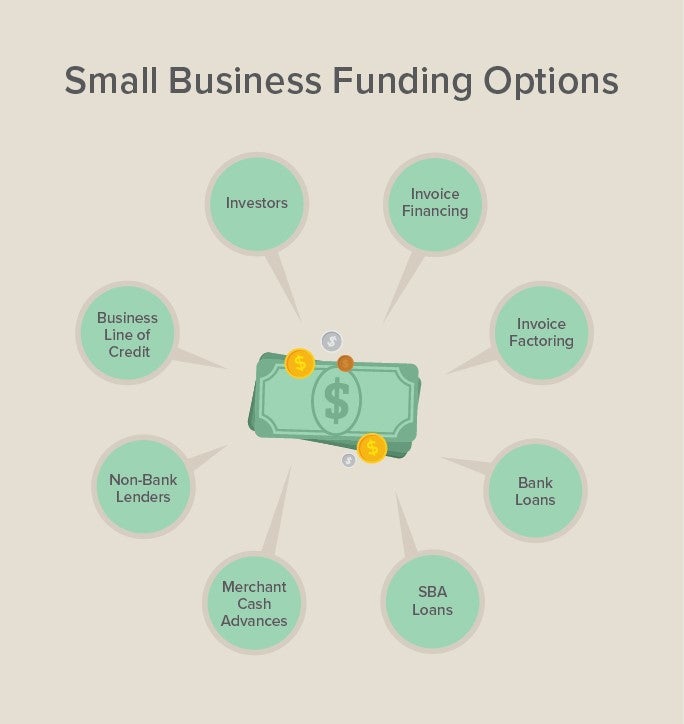
Banks are still the most traditional source for business funding. If your business has good credit and strong financials, you may qualify for a term loan or business line of credit.
| Loan Type | Typical Amount | Interest Rate | Repayment Term |
|---|---|---|---|
| Term Loan | $5,000 – $500,000 | 5% – 10% | 1-10 years |
| Line of Credit | $10,000 – $250,000 | 7% – 20% | Flexible |
Advantages: Lower interest rates, predictable payments, and larger amounts.
Disadvantages: Strict requirements, long approval process, need for collateral.
Many new owners think bank loans are impossible without years of business history, but some banks now offer “startup loans” to applicants with strong personal credit and a detailed business plan.
Sba Loans
The Small Business Administration (SBA) backs loans from local banks and lenders. This government support lowers risk for lenders, so you may get better terms and easier approval.
Popular SBA loan types:
- SBA 7(a) Loan – Most flexible; used for working capital, equipment, or real estate.
- SBA Microloan – Small loans up to $50,000, good for startups or small projects.
Insider tip: SBA loans often require personal guarantees and detailed paperwork. Plan for several weeks of application time.
| SBA Loan Type | Max Amount | Typical Approval Time |
|---|---|---|
| 7(a) | $5 million | 30-90 days |
| Microloan | $50,000 | 30-60 days |
Alternative Lenders
Online lenders have changed the funding landscape. These companies use technology to make fast decisions and often have easier requirements.
Examples:
- Kabbage
- OnDeck
- Funding Circle
Advantages: Quick application, approval in days, flexible credit requirements.
Disadvantages: Higher interest rates (sometimes over 20%), smaller loan amounts, shorter repayment periods.
Some owners overlook online loans due to high costs, but they can be a smart choice for urgent needs or businesses with poor credit. Always compare the annual percentage rate (APR), not just the monthly rate.
Grants
Business grants are funds you don’t repay. They’re offered by governments, foundations, and corporations for specific types of businesses or projects.
Common grant sources:
- Federal and state government
- Local economic development programs
- Private foundations
| Grant Source | Typical Amount | Eligibility |
|---|---|---|
| Federal Grants | $10,000 – $500,000 | Research, innovation, underserved groups |
| Local Grants | $1,000 – $25,000 | Community impact, job creation |
Advantages: No repayment, can boost credibility.
Disadvantages: Competitive, detailed applications, limited funding windows.
A non-obvious insight: Many grant programs prefer businesses that create jobs or solve local problems. Tailoring your application to these priorities can improve your chances.
Crowdfunding
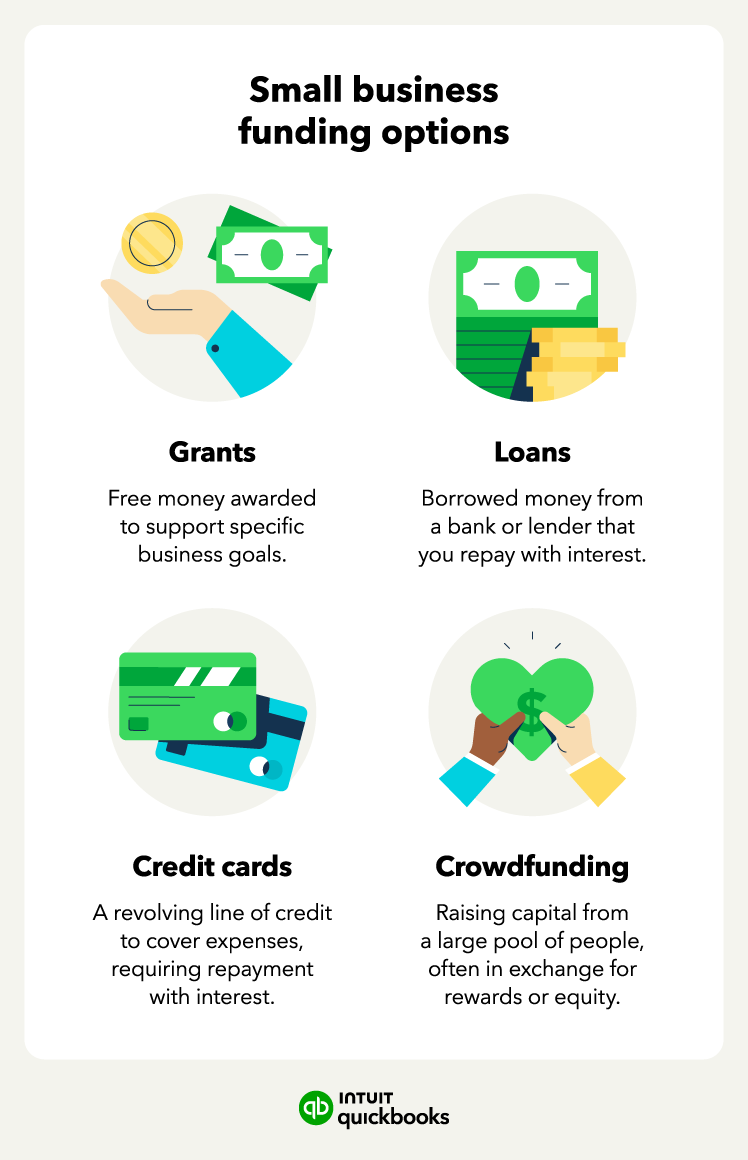
Crowdfunding lets you raise money from lots of people online. You pitch your business, set a funding goal, and offer rewards or equity.
Types of crowdfunding:
- Rewards-based: Supporters get products or perks.
- Equity-based: Investors get shares in your business.
Platforms like Kickstarter and Indiegogo are popular for rewards-based funding. For equity, try platforms like SeedInvest or Crowdcube.
Advantages: No need for credit, public exposure, market feedback.
Disadvantages: Time-consuming, fees, all-or-nothing funding (especially on Kickstarter).
Many owners miss the marketing value of crowdfunding. Even if you don’t reach your goal, you can gain loyal followers and test your product’s appeal.
Angel Investors & Venture Capital
If you plan fast growth or have a unique idea, you may attract angel investors or venture capital (VC) firms. These investors provide money in exchange for ownership (equity).
Angel investors: Usually invest $25,000–$250,000, want to help early-stage companies.
VC firms: Invest larger amounts ($500,000+), focus on high-growth potential.
Advantages: Access to expertise, large sums, networking.
Disadvantages: Give up partial control, complex negotiations, possible pressure to grow quickly.
Many business owners think VC is only for tech startups, but angels often fund restaurants, retail, and local services. Networking at local business events can help you meet these investors.

Family And Friends
Borrowing from family or friends is common for startups. You may get flexible terms and lower rates.
Advantages: Fast access, less paperwork, flexible repayment.
Disadvantages: Risk to personal relationships, unclear agreements, limited funding.
If you choose this route, treat it like a formal transaction. Write clear terms and keep communication open. Too many owners skip this step and face problems later.
Trade Credit & Supplier Financing
Some suppliers let you buy now and pay later, often 30–90 days after delivery. This is called trade credit.
Advantages: No interest, helps cash flow, easy to arrange.
Disadvantages: Limited to suppliers, must pay on time to keep good terms.
Small businesses often miss this option. Building strong relationships with suppliers can unlock better credit and longer payment windows.
Frequently Asked Questions
What Is The Easiest Small Business Funding Option To Get?
The easiest option is often family and friends funding, as it doesn’t require credit checks or formal approval. For formal sources, online lenders usually have fast and easy applications.
How Much Money Can I Get From An Sba Loan?
SBA 7(a) loans can go up to $5 million, while microloans are capped at $50,000. The amount depends on your business needs, credit, and financial history.
Are Grants Available For All Types Of Businesses?
No. Grants usually target specific industries, groups, or projects, such as minority-owned businesses, research, or community development. Check eligibility carefully before applying.
Is Crowdfunding Suitable For Service Businesses?
Crowdfunding works best for product-based businesses but can fit service businesses if you offer creative rewards or share your story well.
What Is The Main Mistake When Choosing Funding?
A common mistake is focusing only on the amount, not the cost of capital or repayment terms. Always compare the APR and read all terms before deciding.
Finding the right funding is about more than just getting money. It’s about building a stable foundation for your business and planning for growth. Explore several options, understand the risks, and use your network. By staying informed and thinking strategically, you can secure the funding that fits your vision. For more guidance, visit the Small Business Administration.
Read More:
- Best Personal Loan Rates: Unlock Top Offers for 2026
- Bad Credit Personal Loans Guaranteed Approval: Easy Access Today
- Compare Mortgage Lenders Online: Find the Best Rates Fast
- Debt Consolidation Loan Online: Simplify Your Finances Fast
- First Time Home Buyer Loan Programs: Your Ultimate Guide 2026
- Home Equity Loan Rates Comparison: Find the Best Deals Today
- Small Business Loan Pre Approval: Fast Track Your Funding Success
- Mortgage Pre Approval Online: Fast-Track Your Home Buying Success